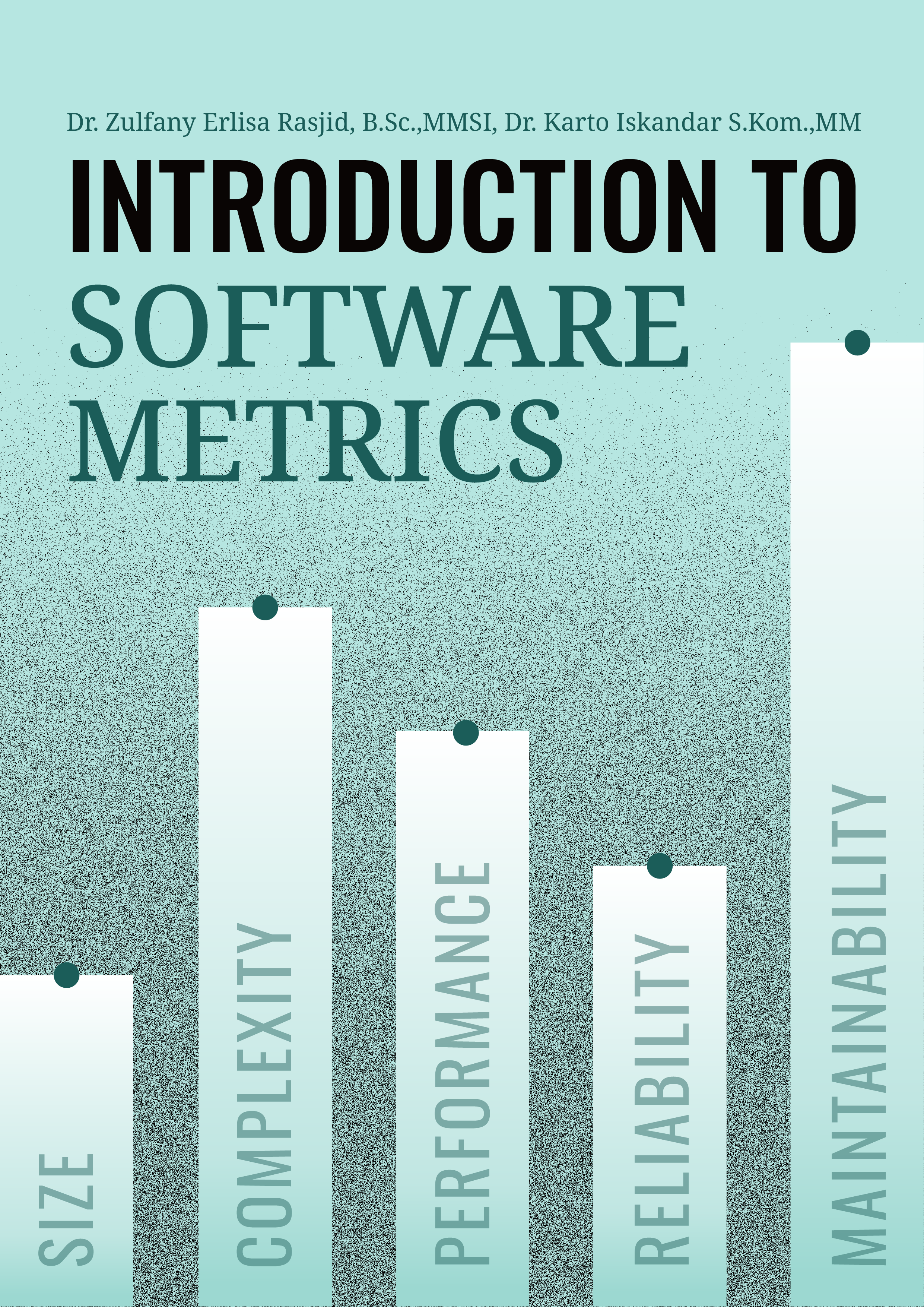
Introduction to Software Metrics
| Harga | Rp 69.999 |
|---|---|
| Info |
Deskripsi Buku
This book provides a comprehensive exploration of how software measurement and metrics contribute to improving the quality, reliability, and efficiency of software systems. It begins by explaining fundamental concepts such as measurement, measurable and unmeasurable entities, and the distinction between measurement and metrics. The text introduces the Goal-Question-Metric (GQM) framework as a structured method for defining useful metrics and highlights the advantages and limitations of using metrics in software development. This foundational understanding sets the stage for deeper exploration of product, process, project, maintenance, and security metrics.
The subsequent chapters delve into different categories of metrics. Product metrics focus on aspects such as size, complexity, performance, maintainability, and reliability, using measures like lines of code, function points, cyclomatic complexity, and defect density. Process metrics evaluate the efficiency and quality of software development workflows, employing indicators like error rates, defect density, cycle time, and customer satisfaction. Project metrics guide managers in tracking progress, costs, risks, and productivity through tools such as schedule variance, effort estimation methods, and maturity models like CMMI or Six Sigma. Each category emphasizes how metrics enable data-driven decision-making throughout the software development lifecycle.
Finally, the book emphasizes maintenance and security metrics as crucial for sustaining software quality after deployment. Maintenance metrics, such as mean time to repair (MTTR), defect density, and reopened defect rates, support resource planning and long-term maintainability. Security metrics are presented across design, code, and operational levels, assessing threat coverage, vulnerability detection, incident response time, and patch management latency. By incorporating these diverse metrics, organizations can ensure not only functional efficiency but also robustness, adaptability, and resilience against risks. Overall, the text provides a holistic guide to using metrics as essential tools for planning, evaluation, and continuous improvement in software engineering.
Available on:

Buku Terkait

KOMUNIKASI POLITIK SUATU PENDEKATAN TEORITIS
Rp 127.000
Rp 127.000
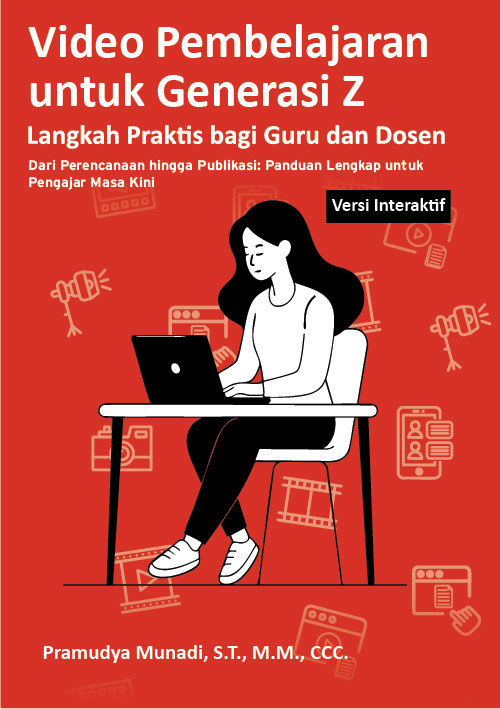
Video Pembelajaran untuk Generasi Z: Langkah Praktis bagi Guru dan Dosen dari Perencanaan Hingga Publikasi: Panduan Lengkap untuk Pengajar Masa Kini
Rp 88.799
Rp 88.799

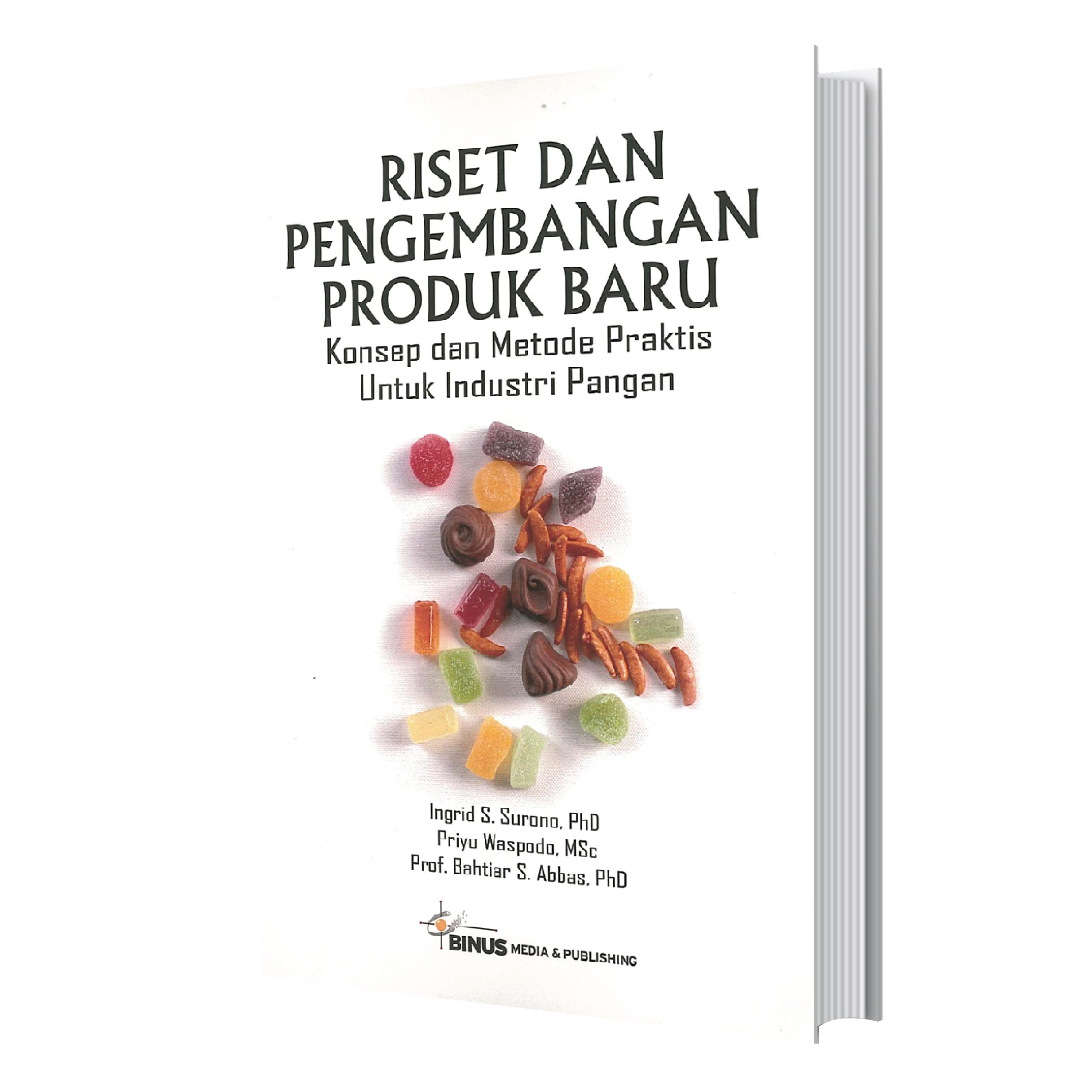
RISET DAN PENGEMBANGAN PADA PRODUK PANGAN
Rp 99.000
Rp 99.000
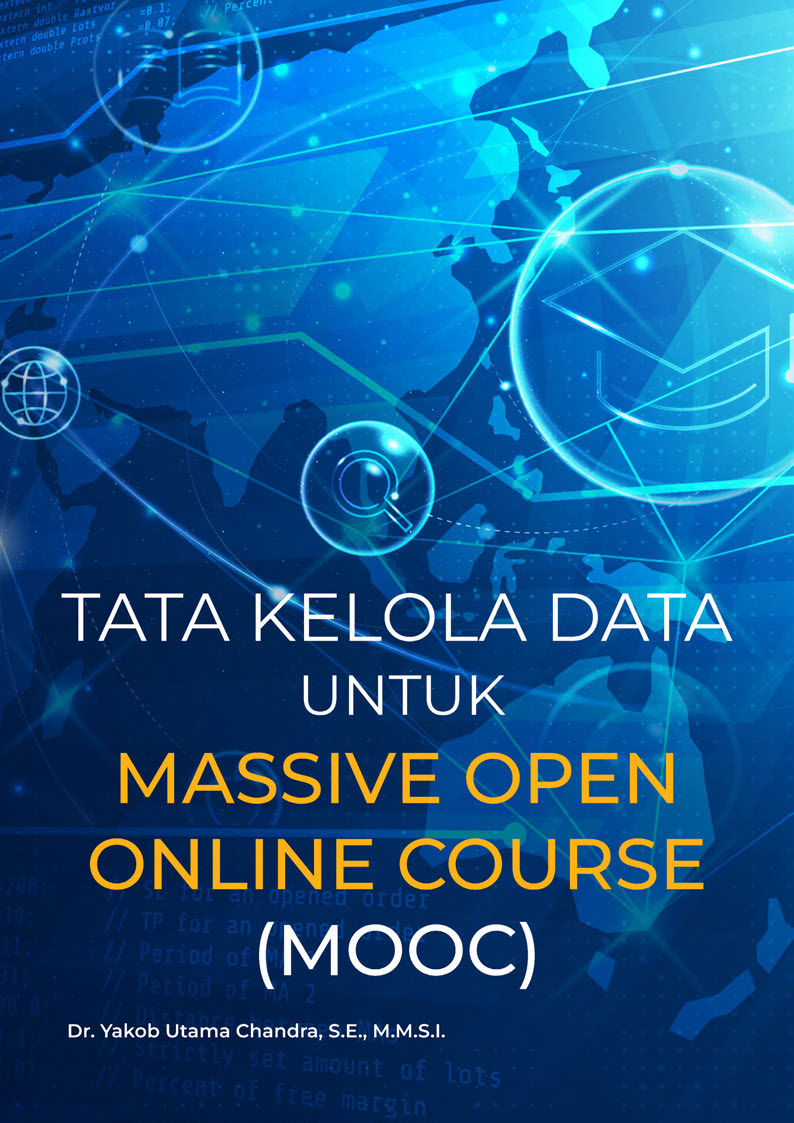
Tata Kelola Data Untuk Massive Open Online Course (MOOC)
Rp 89.999
Rp 89.999

AKUNTANSI DASAR: KONSEP DAN PRAKTEK BUKU PINTAR UNTUK PEMULA
Rp 0
Rp 0